
The Science of Humanities
HKH Research house
The Idea of a Science of Humanities
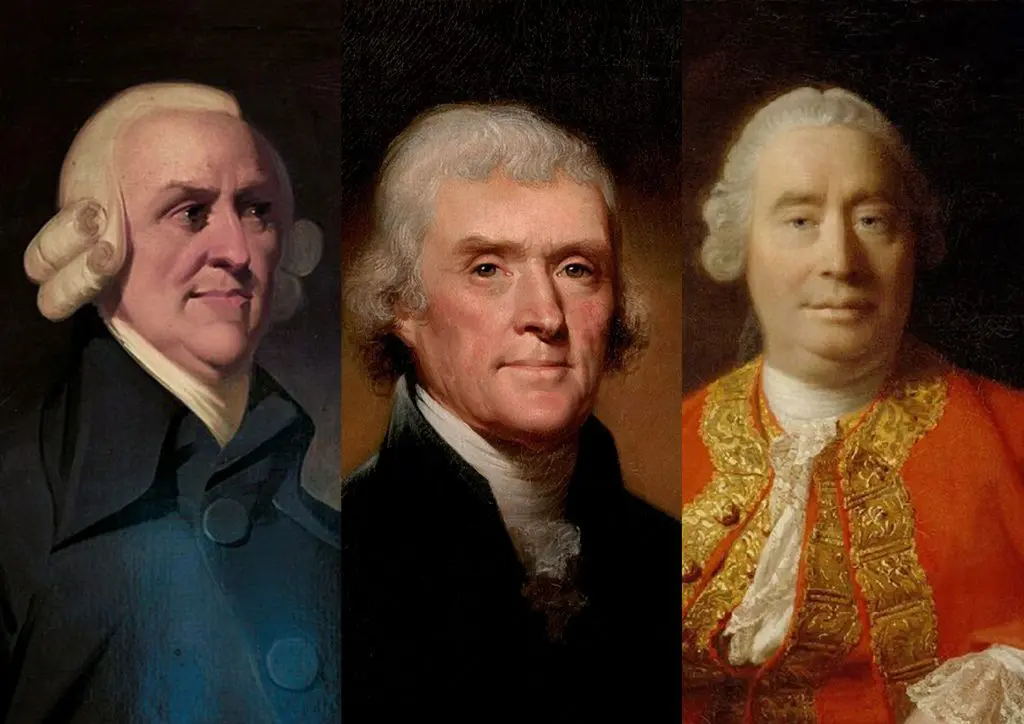
We consider one main intellectual accomplishment as well as legacy of the Scottish Enlightenment to be the very idea of a Science of Humanities.
And we see David Hume and Adam Smith as among the two key architects of the Scottish Enlightenment, in that they have provided a sound, encompassing and inspiring “intellectual structure” to theorise the world of Humanities and upon which we could keep on adding features to enrich such “intellectual structure” and the chemistry & synthesis that produces would help to bring out the full ramifications of what Adam Smith has called the “System of Natural Liberty” could mean for Humanities.
– On David Hume, by Adam Smith
“Upon the whole, I have always considered him, both in his lifetime and since his death, as approaching as nearly to the idea of a perfectly wise and virtuous man, as perhaps the nature of human frailty will permit.”
HKH Research house
Our Maison of Humanities’ Constituents
We seek to focus on six aspects of the Science of Humanities: which is On Human Nature; On Society; On Civilisation; On Reason and Intellectuality; On Culture and Values; and On Aesthetics which, according to Ludwig Wittgenstein, provides a way to unify all the above constituents of Humanities.
On Human Nature
On Society
On Civilisation
On Reason and Intellectuality
On Culture and Values
On Aesthetics
Our Maisons of “Those who have Lived”
Adam Smith
Buddha
Fuxi
Lao Tzu
On Civilisation
Thomas Jefferson
John F Kennedy
John Stuart Mill
Benjamin Graham
Warren Buffet
Martin Whittman
Hui Neng
“The Wealth of Nations.. is the most important book ever written about capitalism– and its moral ramifications… it was intended to make men better, not just better off.”
– Jerry Z. Muller